mylingo

Advance ㅇ

being formal in Korean: 의례적’s meaning and pronunciation

being formal in Korean is 의례적. For examples, you can use like [의례적인 순서, 의례적인 의식]. In this post you will learn how to pronounce and use being formal in Korean along with examples.
Advance ㅇ

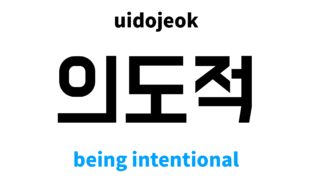
being intentional in Korean: 의도적’s meaning and pronunciation

being intentional in Korean is 의도적. For examples, you can use like [의도적인 실수, 의도적으로 무시하다]. In this post you will learn how to pronounce and use being intentional in Korean along with examples.

Advance ㅇ

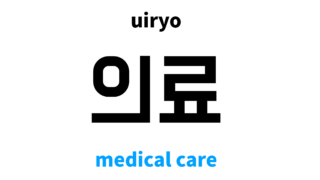
medical care in Korean: 의료’s meaning and pronunciation

medical care in Korean is 의료. For examples, you can use like [의료 봉사, 의료 사고]. In this post you will learn how to pronounce and use medical care in Korean along with examples.

Advance ㅇ

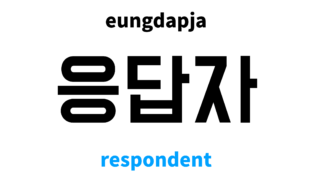
respondent in Korean: 응답자’s meaning and pronunciation

respondent in Korean is 응답자. For examples, you can use like [설문 응답자, 전체 응답자]. In this post you will learn how to pronounce and use respondent in Korean along with examples.
Advance ㅇ

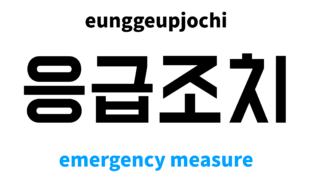
emergency measure in Korean: 응급조치’s meaning and pronunciation

emergency measure in Korean is 응급조치. For examples, you can use like [응급조치 방법, 응급조치 실시]. In this post you will learn how to pronounce and use emergency measure in Korean along with examples.
Advance ㅇ

medical course in Korean: 의과’s meaning and pronunciation

medical course in Korean is 의과. For examples, you can use like [의과 교수, 의과를 두다]. In this post you will learn how to pronounce and use medical course in Korean along with examples.
Advance ㅇ

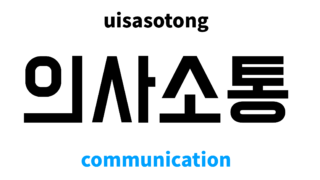
communication in Korean: 의사소통’s meaning and pronunciation

communication in Korean is 의사소통. For examples, you can use like [원활한 의사소통, 의사소통 기능]. In this post you will learn how to pronounce and use communication in Korean along with examples.
Advance ㅇ

onomatopoeic word in Korean: 의성어’s meaning and pronunciation

onomatopoeic word in Korean is 의성어. For examples, you can use like [의성어를 사용하다, 의성어를 쓰다]. In this post you will learn how to pronounce and use onomatopoeic word in Korean along with examples.
Advance ㅇ

unexpectedly in Korean: 의외로’s meaning and pronunciation

unexpectedly in Korean is 의외로. For examples, you can use like [의외로 간단하다, 의외로 단순하다]. In this post you will learn how to pronounce and use unexpectedly in Korean along with examples.
Advance ㅇ

clothing habits in Korean: 의생활’s meaning and pronunciation

clothing habits in Korean is 의생활. For examples, you can use like [검소한 의생활, 화려한 의생활]. In this post you will learn how to pronounce and use clothing habits in Korean along with examples.
Copied title and URL