mylingo

Advance ㅇ

popular song in Korean: 유행가’s meaning and pronunciation

popular song in Korean is 유행가. For examples, you can use like [최신 유행가, 유행가 한 곡조]. In this post you will learn how to pronounce and use popular song in Korean along with examples.

Advance ㅇ

land route in Korean: 육로’s meaning and pronunciation

land route in Korean is 육로. For examples, you can use like [육로가 뚫리다, 육로가 막히다]. In this post you will learn how to pronounce and use land route in Korean along with examples.

Advance ㅇ

game in Korean: 유희’s meaning and pronunciation

game in Korean is 유희. For examples, you can use like [유희 시설, 유희 활동]. In this post you will learn how to pronounce and use game in Korean along with examples.
Advance ㅇ

gene in Korean: 유전자’s meaning and pronunciation

gene in Korean is 유전자. For examples, you can use like [유전자 감식, 유전자 검사]. In this post you will learn how to pronounce and use gene in Korean along with examples.
Advance ㅇ

inflow in Korean: 유입’s meaning and pronunciation

inflow in Korean is 유입. For examples, you can use like [폐수 유입, 열의 유입]. In this post you will learn how to pronounce and use inflow in Korean along with examples.
Advance ㅇ

being the one and only in Korean: 유일무이’s meaning and pronunciation

being the one and only in Korean is 유일무이. For examples, you can use like [유일무이의 소원, 유일무이의 신]. In this post you will learn how to pronounce and use being the one and only in Korean along with examples.
Advance ㅇ

birds of a feather flock together in Korean: 유유상종’s meaning and pronunciation

birds of a feather flock together in Korean is 유유상종. For examples, you can use like [유유상종의 법칙, 유유상종으로 만나다]. In this post you will learn how to pronounce and use birds of a feather flock together in Korean along with examples.
Advance ㅇ

being mindful in Korean: 유의’s meaning and pronunciation

being mindful in Korean is 유의. For examples, you can use like [각별한 유의, 유의 사항]. In this post you will learn how to pronounce and use being mindful in Korean along with examples.
Advance ㅇ

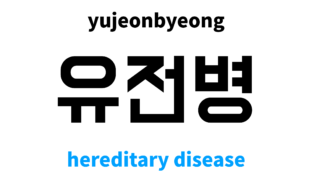
hereditary disease in Korean: 유전병’s meaning and pronunciation

hereditary disease in Korean is 유전병. For examples, you can use like [유전병을 고치다, 유전병을 앓다]. In this post you will learn how to pronounce and use hereditary disease in Korean along with examples.
Advance ㅇ

advantage in Korean: 유익’s meaning and pronunciation

advantage in Korean is 유익. For examples, you can use like [개인의 유익, 집단의 유익]. In this post you will learn how to pronounce and use advantage in Korean along with examples.
Copied title and URL