mylingo

Advance ㅇ

pre-schooler in Korean: 유아’s meaning and pronunciation

pre-schooler in Korean is 유아. For examples, you can use like [유아 시기, 유아 시절]. In this post you will learn how to pronounce and use pre-schooler in Korean along with examples.

Advance ㅇ

flow in Korean: 유동’s meaning and pronunciation

flow in Korean is 유동. For examples, you can use like [액체의 유동, 유동 상태]. In this post you will learn how to pronounce and use flow in Korean along with examples.
Advance ㅇ

bond in Korean: 유대감’s meaning and pronunciation

bond in Korean is 유대감. For examples, you can use like [정서적 유대감, 유대감이 강하다]. In this post you will learn how to pronounce and use bond in Korean along with examples.
Advance ㅇ

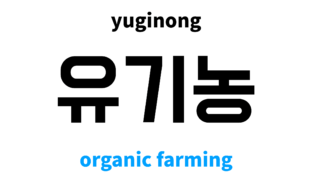
organic farming in Korean: 유기농’s meaning and pronunciation

organic farming in Korean is 유기농. For examples, you can use like [유기농 식품, 유기농 작물]. In this post you will learn how to pronounce and use organic farming in Korean along with examples.
Advance ㅇ

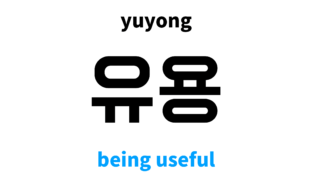
being useful in Korean: 유용’s meaning and pronunciation

being useful in Korean is 유용. For examples, you can use like [유용 가치, 유용 광물]. In this post you will learn how to pronounce and use being useful in Korean along with examples.
Advance ㅇ

origin in Korean: 유래’s meaning and pronunciation

origin in Korean is 유래. For examples, you can use like [역사적 유래, 유래가 깊다]. In this post you will learn how to pronounce and use origin in Korean along with examples.
Advance ㅇ

remains in Korean: 유골’s meaning and pronunciation

remains in Korean is 유골. For examples, you can use like [유골이 안치되다, 유골을 묻다]. In this post you will learn how to pronounce and use remains in Korean along with examples.
Advance ㅇ

gastritis in Korean: 위염’s meaning and pronunciation

gastritis in Korean is 위염. For examples, you can use like [신경성 위염, 심한 위염]. In this post you will learn how to pronounce and use gastritis in Korean along with examples.
Advance ㅇ

member in Korean: 위원’s meaning and pronunciation

member in Korean is 위원. For examples, you can use like [논설 위원, 선거 위원]. In this post you will learn how to pronounce and use member in Korean along with examples.

Advance ㅇ

voter in Korean: 유권자’s meaning and pronunciation

voter in Korean is 유권자. For examples, you can use like [보수적인 유권자, 진보적인 유권자]. In this post you will learn how to pronounce and use voter in Korean along with examples.

Copied title and URL