mylingo

Advance ㅇ

royal palace in Korean: 왕궁’s meaning and pronunciation

royal palace in Korean is 왕궁. For examples, you can use like [호화찬란한 왕궁, 화려한 왕궁]. In this post you will learn how to pronounce and use royal palace in Korean along with examples.
Advance ㅇ

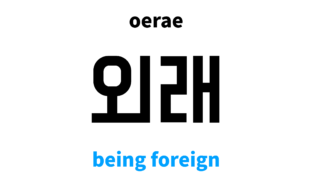
being foreign in Korean: 외래’s meaning and pronunciation

being foreign in Korean is 외래. For examples, you can use like [외래 문물, 외래 사상]. In this post you will learn how to pronounce and use being foreign in Korean along with examples.
Advance ㅇ

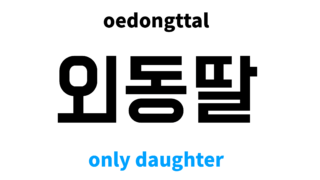
only daughter in Korean: 외동딸’s meaning and pronunciation

only daughter in Korean is 외동딸. For examples, you can use like [늦둥이 외동딸, 무남독녀 외동딸]. In this post you will learn how to pronounce and use only daughter in Korean along with examples.
Advance ㅇ

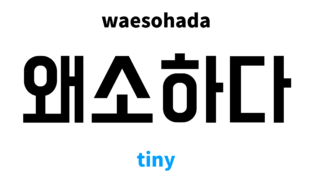
tiny in Korean: 왜소하다’s meaning and pronunciation

tiny in Korean is 왜소하다. For examples, you can use like [왜소한 사람, 왜소한 체격]. In this post you will learn how to pronounce and use tiny in Korean along with examples.
Advance ㅇ

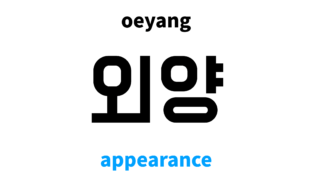
appearance in Korean: 외양’s meaning and pronunciation

appearance in Korean is 외양. For examples, you can use like [화려한 외양, 외양이 아름답다]. In this post you will learn how to pronounce and use appearance in Korean along with examples.
Advance ㅇ

royal authority in Korean: 왕권’s meaning and pronunciation

royal authority in Korean is 왕권. For examples, you can use like [강력한 왕권, 왕권 정치]. In this post you will learn how to pronounce and use royal authority in Korean along with examples.
Advance ㅇ

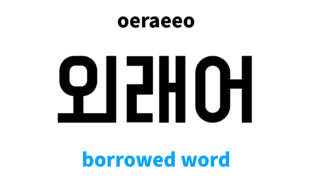
borrowed word in Korean: 외래어’s meaning and pronunciation

borrowed word in Korean is 외래어. For examples, you can use like [외래어의 사용, 외래어가 들어오다]. In this post you will learn how to pronounce and use borrowed word in Korean along with examples.
Advance ㅇ

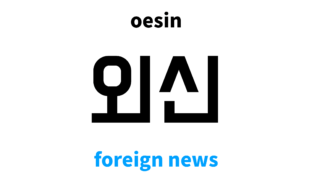
foreign news in Korean: 외신’s meaning and pronunciation

foreign news in Korean is 외신. For examples, you can use like [외신 기자, 외신 보도]. In this post you will learn how to pronounce and use foreign news in Korean along with examples.
Advance ㅇ

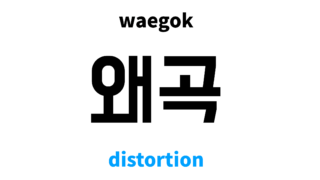
distortion in Korean: 왜곡’s meaning and pronunciation

distortion in Korean is 왜곡. For examples, you can use like [역사 왜곡, 진실 왜곡]. In this post you will learn how to pronounce and use distortion in Korean along with examples.
Advance ㅇ

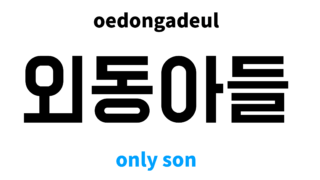
only son in Korean: 외동아들’s meaning and pronunciation

only son in Korean is 외동아들. For examples, you can use like [귀여운 외동아들, 외동아들이 있다]. In this post you will learn how to pronounce and use only son in Korean along with examples.
Copied title and URL