mylingo

Advance ㅇ

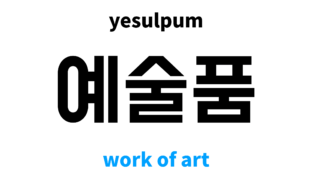
work of art in Korean: 예술품’s meaning and pronunciation

work of art in Korean is 예술품. For examples, you can use like [아름다운 예술품, 위대한 예술품]. In this post you will learn how to pronounce and use work of art in Korean along with examples.
Advance ㅇ

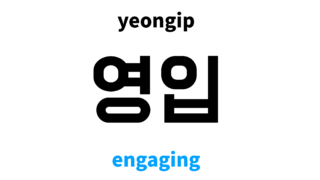
engaging in Korean: 영입’s meaning and pronunciation

engaging in Korean is 영입. For examples, you can use like [선수 영입, 후보 영입]. In this post you will learn how to pronounce and use engaging in Korean along with examples.
Advance ㅇ

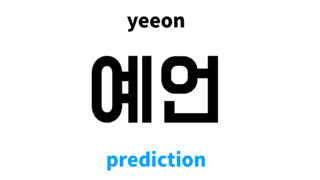
prediction in Korean: 예언’s meaning and pronunciation

prediction in Korean is 예언. For examples, you can use like [기막힌 예언, 놀라운 예언]. In this post you will learn how to pronounce and use prediction in Korean along with examples.
Advance ㅇ

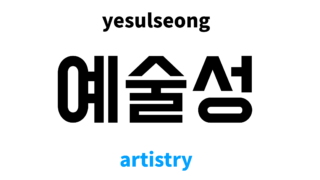
artistry in Korean: 예술성’s meaning and pronunciation

artistry in Korean is 예술성. For examples, you can use like [작품의 예술성, 예술성이 강하다]. In this post you will learn how to pronounce and use artistry in Korean along with examples.
Advance ㅇ

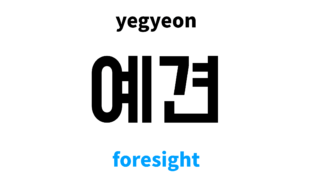
foresight in Korean: 예견’s meaning and pronunciation

foresight in Korean is 예견. For examples, you can use like [예견이 되다, 예견이 맞다]. In this post you will learn how to pronounce and use foresight in Korean along with examples.
Advance ㅇ

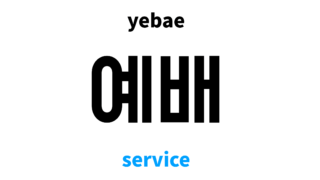
service in Korean: 예배’s meaning and pronunciation

service in Korean is 예배. For examples, you can use like [새벽 예배, 주일 예배]. In this post you will learn how to pronounce and use service in Korean along with examples.
Advance ㅇ

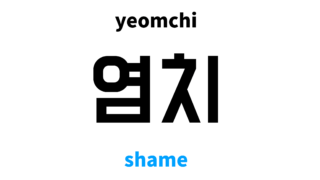
shame in Korean: 염치’s meaning and pronunciation

shame in Korean is 염치. For examples, you can use like [염치가 없다, 염치가 있다]. In this post you will learn how to pronounce and use shame in Korean along with examples.
Advance ㅇ

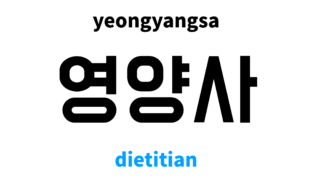
dietitian in Korean: 영양사’s meaning and pronunciation

dietitian in Korean is 영양사. For examples, you can use like [영양사 교육, 영양사 시험]. In this post you will learn how to pronounce and use dietitian in Korean along with examples.
Advance ㅇ

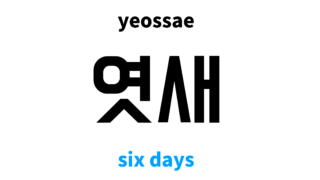
six days in Korean: 엿새’s meaning and pronunciation

six days in Korean is 엿새. For examples, you can use like [엿새 동안, 엿새가 걸리다]. In this post you will learn how to pronounce and use six days in Korean along with examples.
Advance ㅇ

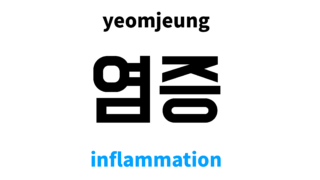
inflammation in Korean: 염증’s meaning and pronunciation

inflammation in Korean is 염증. For examples, you can use like [상처의 염증, 염증이 가라앉다]. In this post you will learn how to pronounce and use inflammation in Korean along with examples.
Copied title and URL