mylingo

Advance ㅅ

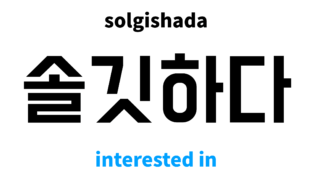
interested in in Korean: 솔깃하다’s meaning and pronunciation

interested in in Korean is 솔깃하다. For examples, you can use like [솔깃한 이야기, 솔깃한 제안]. In this post you will learn how to pronounce and use interested in in Korean along with examples.
Advance ㅅ

surge in Korean: 솟구치다’s meaning and pronunciation

surge in Korean is 솟구치다. For examples, you can use like [돌고래가 솟구쳐 오르다, 새가 솟구쳐 날다]. In this post you will learn how to pronounce and use surge in Korean along with examples.
Advance ㅅ

well up in Korean: 솟아나다’s meaning and pronunciation

well up in Korean is 솟아나다. For examples, you can use like [눈물이 솟아나다, 땀이 솟아나다]. In this post you will learn how to pronounce and use well up in Korean along with examples.
Advance ㅅ

solo in Korean: 솔로’s meaning and pronunciation

solo in Korean is 솔로. For examples, you can use like [바이올린 솔로, 피아노 솔로]. In this post you will learn how to pronounce and use solo in Korean along with examples.
Advance ㅅ

grip in Korean: 손아귀’s meaning and pronunciation

grip in Korean is 손아귀. For examples, you can use like [손아귀 속, 손아귀 힘]. In this post you will learn how to pronounce and use grip in Korean along with examples.
Advance ㅅ

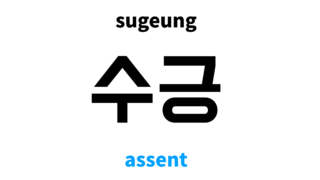
assent in Korean: 수긍’s meaning and pronunciation

assent in Korean is 수긍. For examples, you can use like [충분한 수긍, 수긍의 기색]. In this post you will learn how to pronounce and use assent in Korean along with examples.
Advance ㅅ

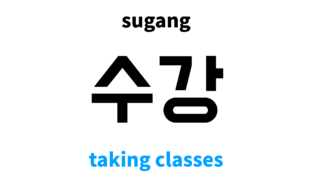
taking classes in Korean: 수강’s meaning and pronunciation

taking classes in Korean is 수강. For examples, you can use like [수강 과목, 수강 변경]. In this post you will learn how to pronounce and use taking classes in Korean along with examples.
Advance ㅅ

rush in Korean: 쇄도’s meaning and pronunciation

rush in Korean is 쇄도. For examples, you can use like [문의 쇄도, 전화 쇄도]. In this post you will learn how to pronounce and use rush in Korean along with examples.
Advance ㅅ

talkative in Korean: 수다스럽다’s meaning and pronunciation

talkative in Korean is 수다스럽다. For examples, you can use like [수다스러운 사람, 수다스러운 아이]. In this post you will learn how to pronounce and use talkative in Korean along with examples.
Advance ㅅ

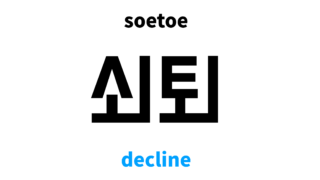
decline in Korean: 쇠퇴’s meaning and pronunciation

decline in Korean is 쇠퇴. For examples, you can use like [문화의 쇠퇴, 제국의 쇠퇴]. In this post you will learn how to pronounce and use decline in Korean along with examples.
Copied title and URL