mylingo

Advance ㅁ

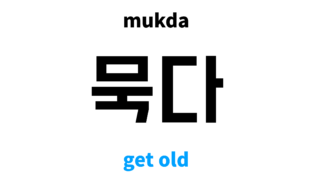
get old in Korean: 묵다’s meaning and pronunciation

get old in Korean is 묵다. For examples, you can use like [묵은 김치, 묵은 때]. In this post you will learn how to pronounce and use get old in Korean along with examples.
Advance ㅁ
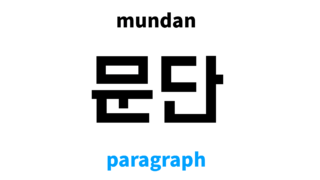
paragraph in Korean: 문단’s meaning and pronunciation

paragraph in Korean is 문단. For examples, you can use like [마지막 문단, 첫 문단]. In this post you will learn how to pronounce and use paragraph in Korean along with examples.
Advance ㅁ

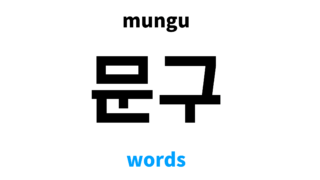
words in Korean: 문구’s meaning and pronunciation

words in Korean is 문구. For examples, you can use like [광고 문구, 선전 문구]. In this post you will learn how to pronounce and use words in Korean along with examples.
Advance ㅁ

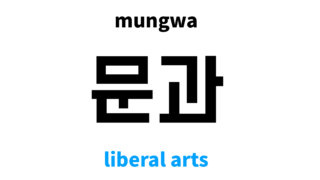
liberal arts in Korean: 문과’s meaning and pronunciation

liberal arts in Korean is 문과. For examples, you can use like [문과 대학, 문과 출신]. In this post you will learn how to pronounce and use liberal arts in Korean along with examples.
Advance ㅁ

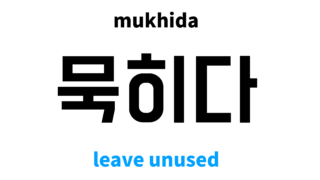
leave unused in Korean: 묵히다’s meaning and pronunciation

leave unused in Korean is 묵히다. For examples, you can use like [묵힌 된장, 묵힌 김치]. In this post you will learn how to pronounce and use leave unused in Korean along with examples.
Advance ㅁ

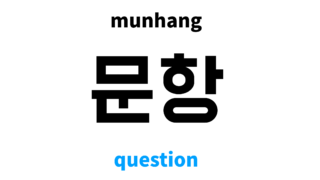
question in Korean: 문항’s meaning and pronunciation

question in Korean is 문항. For examples, you can use like [객관식 문항, 일 번 문항]. In this post you will learn how to pronounce and use question in Korean along with examples.
Advance ㅁ

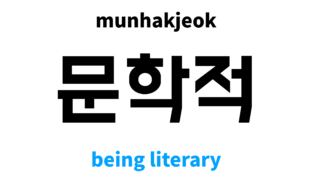
being literary in Korean: 문학적’s meaning and pronunciation

being literary in Korean is 문학적. For examples, you can use like [문학적인 가치, 문학적인 글]. In this post you will learn how to pronounce and use being literary in Korean along with examples.
Advance ㅁ

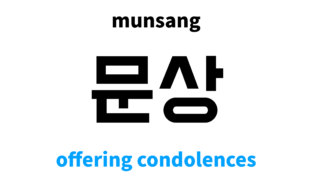
offering condolences in Korean: 문상’s meaning and pronunciation

offering condolences in Korean is 문상. For examples, you can use like [문상을 가다, 문상을 드리다]. In this post you will learn how to pronounce and use offering condolences in Korean along with examples.
Advance ㅁ

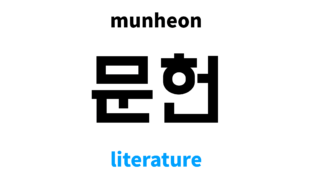
literature in Korean: 문헌’s meaning and pronunciation

literature in Korean is 문헌. For examples, you can use like [문헌 기록, 문헌 자료]. In this post you will learn how to pronounce and use literature in Korean along with examples.
Advance ㅁ

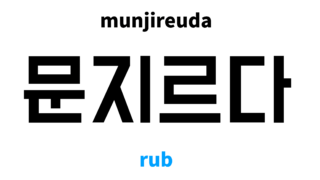
rub in Korean: 문지르다’s meaning and pronunciation

rub in Korean is 문지르다. For examples, you can use like [손을 문지르다, 얼굴을 문지르다]. In this post you will learn how to pronounce and use rub in Korean along with examples.
Copied title and URL