mylingo

Advance ㄴ

effeminate in Korean: 나약하다’s meaning and pronunciation

effeminate in Korean is 나약하다. For examples, you can use like [나약한 마음, 나약한 모습]. In this post you will learn how to pronounce and use effeminate in Korean along with examples.

Advance ㄴ

listing in Korean: 나열’s meaning and pronunciation

listing in Korean is 나열. For examples, you can use like [단순한 나열, 사실의 나열]. In this post you will learn how to pronounce and use listing in Korean along with examples.
Advance ㄴ

rather low in Korean: 나지막하다’s meaning and pronunciation

rather low in Korean is 나지막하다. For examples, you can use like [나지막한 고개, 나지막한 산]. In this post you will learn how to pronounce and use rather low in Korean along with examples.
Advance ㄴ

compass in Korean: 나침반’s meaning and pronunciation

compass in Korean is 나침반. For examples, you can use like [나침반 바늘, 나침반 방향]. In this post you will learn how to pronounce and use compass in Korean along with examples.
Advance ㄴ

joy in Korean: 낙’s meaning and pronunciation

joy in Korean is 낙. For examples, you can use like [삶의 낙, 인생의 낙]. In this post you will learn how to pronounce and use joy in Korean along with examples.
Advance ㄴ

being positive in Korean: 낙관적’s meaning and pronunciation

being positive in Korean is 낙관적. For examples, you can use like [낙관적인 인생관, 낙관적으로 살다]. In this post you will learn how to pronounce and use being positive in Korean along with examples.
Advance ㄱ

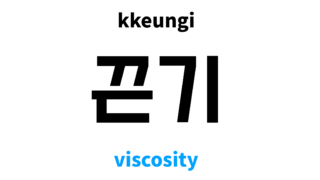
viscosity in Korean: 끈기’s meaning and pronunciation

viscosity in Korean is 끈기. For examples, you can use like [끈기가 덜하다, 끈기가 없다]. In this post you will learn how to pronounce and use viscosity in Korean along with examples.

Advance ㄱ

cease in Korean: 끊이다’s meaning and pronunciation

cease in Korean is 끊이다. For examples, you can use like [끊이지 않는 관객, 끊이지 않는 손님]. In this post you will learn how to pronounce and use cease in Korean along with examples.
Advance ㄱ

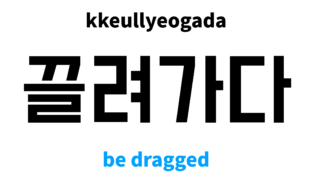
be dragged in Korean: 끌려가다’s meaning and pronunciation

be dragged in Korean is 끌려가다. For examples, you can use like [경찰서에 끌려가다, 강제로 끌려가다]. In this post you will learn how to pronounce and use be dragged in Korean along with examples.
Advance ㄱ

take something out in Korean: 끌어내다’s meaning and pronunciation

take something out in Korean is 끌어내다. For examples, you can use like [가구를 끌어내다, 짐을 끌어내다]. In this post you will learn how to pronounce and use take something out in Korean along with examples.
Copied title and URL