mylingo

Advance ㄱ

nobility in Korean: 귀족’s meaning and pronunciation

nobility in Korean is 귀족. For examples, you can use like [세습 귀족, 영국 귀족]. In this post you will learn how to pronounce and use nobility in Korean along with examples.
Advance ㄱ
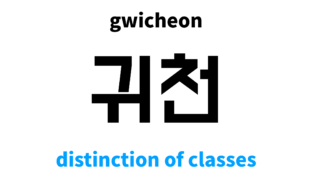
distinction of classes in Korean: 귀천’s meaning and pronunciation

distinction of classes in Korean is 귀천. For examples, you can use like [신분의 귀천, 빈부와 귀천]. In this post you will learn how to pronounce and use distinction of classes in Korean along with examples.
Advance ㄱ

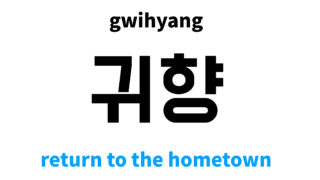
return to the hometown in Korean: 귀향’s meaning and pronunciation

return to the hometown in Korean is 귀향. For examples, you can use like [귀향 인파, 귀향을 결심하다]. In this post you will learn how to pronounce and use return to the hometown in Korean along with examples.
Advance ㄱ

whisper in Korean: 귓속말’s meaning and pronunciation

whisper in Korean is 귓속말. For examples, you can use like [귓속말을 건네다, 귓속말을 나누다]. In this post you will learn how to pronounce and use whisper in Korean along with examples.
Advance ㄱ

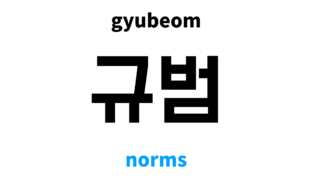
norms in Korean: 규범’s meaning and pronunciation

norms in Korean is 규범. For examples, you can use like [법 규범, 사회 규범]. In this post you will learn how to pronounce and use norms in Korean along with examples.
Advance ㄱ

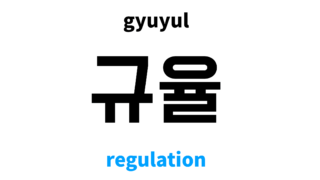
regulation in Korean: 규율’s meaning and pronunciation

regulation in Korean is 규율. For examples, you can use like [엄격한 규율, 규율을 따르다]. In this post you will learn how to pronounce and use regulation in Korean along with examples.
Advance ㄱ

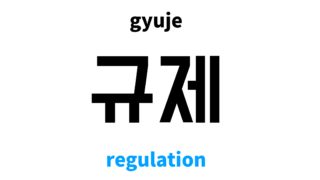
regulation in Korean: 규제’s meaning and pronunciation

regulation in Korean is 규제. For examples, you can use like [수입 규제, 지나친 규제]. In this post you will learn how to pronounce and use regulation in Korean along with examples.
Advance ㄱ

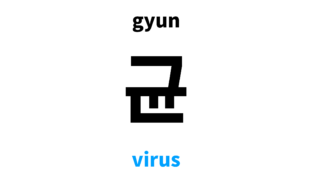
virus in Korean: 균’s meaning and pronunciation

virus in Korean is 균. For examples, you can use like [균이 옮다, 균이 퍼지다]. In this post you will learn how to pronounce and use virus in Korean along with examples.
Advance ㄱ

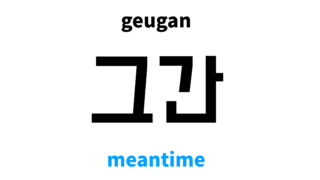
meantime in Korean: 그간’s meaning and pronunciation

meantime in Korean is 그간. For examples, you can use like [그간의 고생, 그간의 노고]. In this post you will learn how to pronounce and use meantime in Korean along with examples.
Advance ㄱ

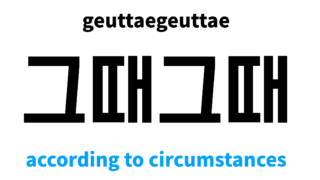
according to circumstances in Korean: 그때그때’s meaning and pronunciation

according to circumstances in Korean is 그때그때. For examples, you can use like [그때그때 고치다, 그때그때 말하다]. In this post you will learn how to pronounce and use according to circumstances in Korean along with examples.
Copied title and URL