mylingo

Advance ㄱ

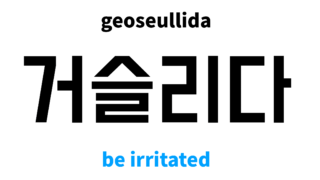
be irritated in Korean: 거슬리다’s meaning and pronunciation

be irritated in Korean is 거슬리다. For examples, you can use like [기분이 거슬리다, 비위가 거슬리다]. In this post you will learn how to pronounce and use be irritated in Korean along with examples.
Advance ㄱ

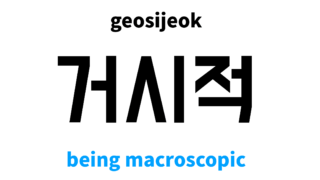
being macroscopic in Korean: 거시적’s meaning and pronunciation

being macroscopic in Korean is 거시적. For examples, you can use like [거시적인 관점, 거시적인 계획]. In this post you will learn how to pronounce and use being macroscopic in Korean along with examples.
Advance ㄱ

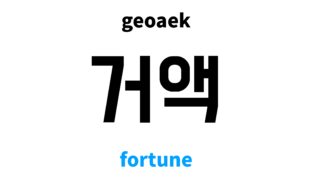
fortune in Korean: 거액’s meaning and pronunciation

fortune in Korean is 거액. For examples, you can use like [거액의 계약금, 거액의 돈]. In this post you will learn how to pronounce and use fortune in Korean along with examples.
Advance ㄱ

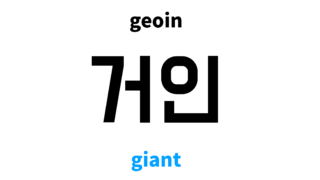
giant in Korean: 거인’s meaning and pronunciation

giant in Korean is 거인. For examples, you can use like [거인으로 불리다, 거인처럼 보이다]. In this post you will learn how to pronounce and use giant in Korean along with examples.
Advance ㄱ

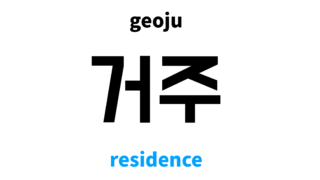
residence in Korean: 거주’s meaning and pronunciation

residence in Korean is 거주. For examples, you can use like [현지 거주, 거주 구역]. In this post you will learn how to pronounce and use residence in Korean along with examples.
Advance ㄱ

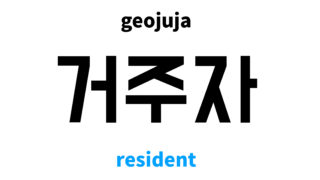
resident in Korean: 거주자’s meaning and pronunciation

resident in Korean is 거주자. For examples, you can use like [교외 거주자, 국내 거주자]. In this post you will learn how to pronounce and use resident in Korean along with examples.
Advance ㄱ

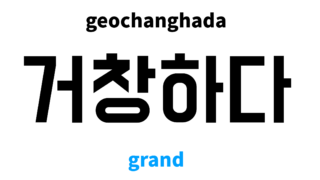
grand in Korean: 거창하다’s meaning and pronunciation

grand in Korean is 거창하다. For examples, you can use like [거창한 계획, 거창한 이름]. In this post you will learn how to pronounce and use grand in Korean along with examples.
Advance ㄱ

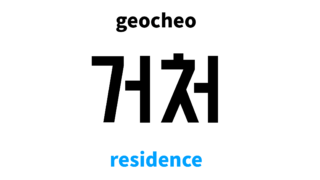
residence in Korean: 거처’s meaning and pronunciation

residence in Korean is 거처. For examples, you can use like [거처가 알려지다, 거처가 없다]. In this post you will learn how to pronounce and use residence in Korean along with examples.
Advance ㄱ

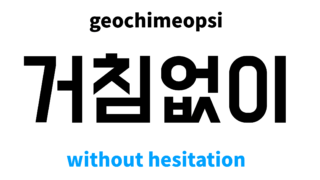
without hesitation in Korean: 거침없이’s meaning and pronunciation

without hesitation in Korean is 거침없이. For examples, you can use like [거침없이 덤벼들다, 거침없이 돌격하다]. In this post you will learn how to pronounce and use without hesitation in Korean along with examples.
Advance ㄱ

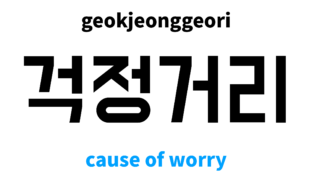
cause of worry in Korean: 걱정거리’s meaning and pronunciation

cause of worry in Korean is 걱정거리. For examples, you can use like [걱정거리가 많다, 걱정거리가 생기다]. In this post you will learn how to pronounce and use cause of worry in Korean along with examples.
Copied title and URL