mylingo

Intermediate Words

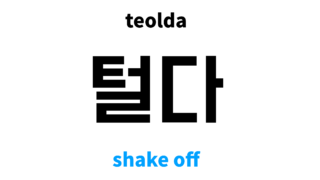
shake off in Korean: 털다’s meaning and pronunciation

shake off in Korean is 털다. For examples, you can use like [곰방대를 털다, 신발을 털다]. In this post you will learn how to pronounce and use shake off in Korean along with examples.

Intermediate Words

emptily in Korean: 텅’s meaning and pronunciation

emptily in Korean is 텅. For examples, you can use like [텅 비다, 텅 빈 건물]. In this post you will learn how to pronounce and use emptily in Korean along with examples.
Intermediate Words

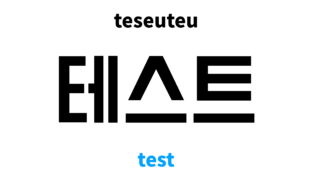
test in Korean: 테스트’s meaning and pronunciation

test in Korean is 테스트. For examples, you can use like [실력 테스트, 심리 테스트]. In this post you will learn how to pronounce and use test in Korean along with examples.
Intermediate Words

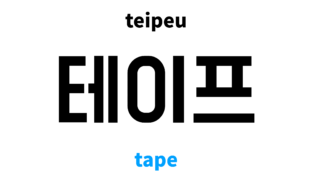
tape in Korean: 테이프’s meaning and pronunciation

tape in Korean is 테이프. For examples, you can use like [오색 테이프, 테이프를 끊다]. In this post you will learn how to pronounce and use tape in Korean along with examples.
Intermediate Words

discussion in Korean: 토론’s meaning and pronunciation

discussion in Korean is 토론. For examples, you can use like [토론 수업, 토론이 길어지다]. In this post you will learn how to pronounce and use discussion in Korean along with examples.
Intermediate Words

discussion in Korean: 토의’s meaning and pronunciation

discussion in Korean is 토의. For examples, you can use like [토의 결과, 토의 내용]. In this post you will learn how to pronounce and use discussion in Korean along with examples.
Intermediate Words

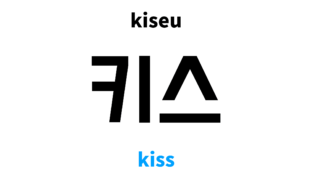
kiss in Korean: 키스’s meaning and pronunciation

kiss in Korean is 키스. For examples, you can use like [달콤한 키스, 마지막 키스]. In this post you will learn how to pronounce and use kiss in Korean along with examples.
Intermediate Words

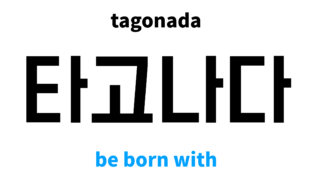
be born with in Korean: 타고나다’s meaning and pronunciation

be born with in Korean is 타고나다. For examples, you can use like [타고난 소질, 타고난 외모]. In this post you will learn how to pronounce and use be born with in Korean along with examples.
Intermediate Words

blaze up in Korean: 타오르다’s meaning and pronunciation

blaze up in Korean is 타오르다. For examples, you can use like [타오르는 불길, 불꽃이 타오르다]. In this post you will learn how to pronounce and use blaze up in Korean along with examples.
Intermediate Words

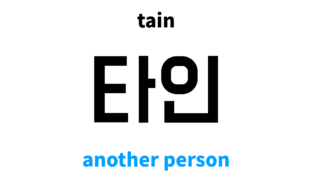
another person in Korean: 타인’s meaning and pronunciation

another person in Korean is 타인. For examples, you can use like [타인 취급, 타인의 명의]. In this post you will learn how to pronounce and use another person in Korean along with examples.
Copied title and URL