mylingo

Intermediate Words

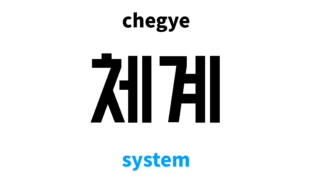
system in Korean: 체계’s meaning and pronunciation

system in Korean is 체계. For examples, you can use like [감시 체계, 관리 체계]. In this post you will learn how to pronounce and use system in Korean along with examples.
Intermediate Words
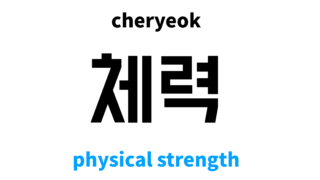
physical strength in Korean: 체력’s meaning and pronunciation

physical strength in Korean is 체력. For examples, you can use like [강인한 체력, 허약한 체력]. In this post you will learn how to pronounce and use physical strength in Korean along with examples.
Intermediate Words

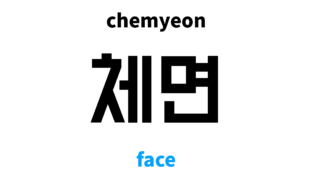
face in Korean: 체면’s meaning and pronunciation

face in Korean is 체면. For examples, you can use like [체면이 깎이다, 체면이 말이 아니다]. In this post you will learn how to pronounce and use face in Korean along with examples.
Intermediate Words

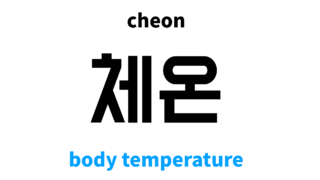
body temperature in Korean: 체온’s meaning and pronunciation

body temperature in Korean is 체온. For examples, you can use like [따뜻한 체온, 체온 유지]. In this post you will learn how to pronounce and use body temperature in Korean along with examples.
Intermediate Words

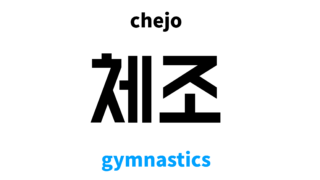
gymnastics in Korean: 체조’s meaning and pronunciation

gymnastics in Korean is 체조. For examples, you can use like [국민 체조, 기계 체조]. In this post you will learn how to pronounce and use gymnastics in Korean along with examples.
Intermediate Words

weight in Korean: 체중’s meaning and pronunciation

weight in Korean is 체중. For examples, you can use like [표준 체중, 체중 증가]. In this post you will learn how to pronounce and use weight in Korean along with examples.
Intermediate Words

checked pattern in Korean: 체크무늬’s meaning and pronunciation

checked pattern in Korean is 체크무늬. For examples, you can use like [체크무늬 가방, 체크무늬 남방]. In this post you will learn how to pronounce and use checked pattern in Korean along with examples.
Intermediate Words

have an upset stomach in Korean: 체하다’s meaning and pronunciation

have an upset stomach in Korean is 체하다. For examples, you can use like [심하게 체하다, 자주 체하다]. In this post you will learn how to pronounce and use have an upset stomach in Korean along with examples.
Intermediate Words

experience in Korean: 체험’s meaning and pronunciation

experience in Korean is 체험. For examples, you can use like [간접 체험, 직접 체험]. In this post you will learn how to pronounce and use experience in Korean along with examples.
Intermediate Words

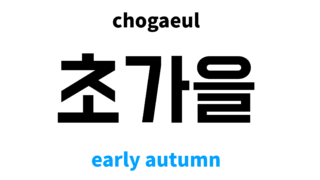
early autumn in Korean: 초가을’s meaning and pronunciation

early autumn in Korean is 초가을. For examples, you can use like [초가을 날씨, 초가을 무렵]. In this post you will learn how to pronounce and use early autumn in Korean along with examples.
Copied title and URL