mylingo

Intermediate Words

cabbage in Korean: 양배추’s meaning and pronunciation

cabbage in Korean is 양배추. For examples, you can use like [달짝지근한 양배추, 양배추 샐러드]. In this post you will learn how to pronounce and use cabbage in Korean along with examples.
Intermediate Words

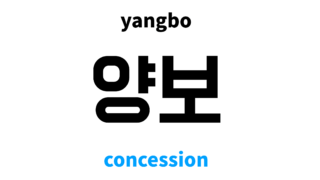
concession in Korean: 양보’s meaning and pronunciation

concession in Korean is 양보. For examples, you can use like [자리 양보, 양보를 하다]. In this post you will learn how to pronounce and use concession in Korean along with examples.
Intermediate Words

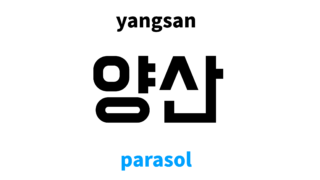
parasol in Korean: 양산’s meaning and pronunciation

parasol in Korean is 양산. For examples, you can use like [양산을 쓰다, 양산을 접다]. In this post you will learn how to pronounce and use parasol in Korean along with examples.
Intermediate Words

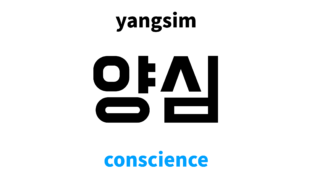
conscience in Korean: 양심’s meaning and pronunciation

conscience in Korean is 양심. For examples, you can use like [양심의 가책, 양심을 가지다]. In this post you will learn how to pronounce and use conscience in Korean along with examples.
Intermediate Words

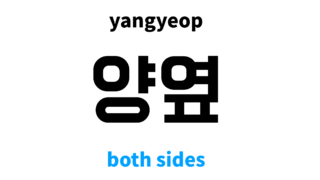
both sides in Korean: 양옆’s meaning and pronunciation

both sides in Korean is 양옆. For examples, you can use like [길 양옆, 좌우 양옆]. In this post you will learn how to pronounce and use both sides in Korean along with examples.
Intermediate Words

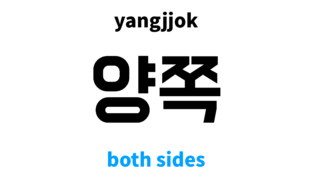
both sides in Korean: 양쪽’s meaning and pronunciation

both sides in Korean is 양쪽. For examples, you can use like [양쪽 다리, 양쪽 뺨]. In this post you will learn how to pronounce and use both sides in Korean along with examples.
Intermediate Words

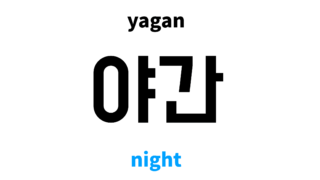
night in Korean: 야간’s meaning and pronunciation

night in Korean is 야간. For examples, you can use like [야간 근무, 야간 대학]. In this post you will learn how to pronounce and use night in Korean along with examples.
Intermediate Words

night view in Korean: 야경’s meaning and pronunciation

night view in Korean is 야경. For examples, you can use like [도시의 야경, 야경이 아름답다]. In this post you will learn how to pronounce and use night view in Korean along with examples.
Intermediate Words

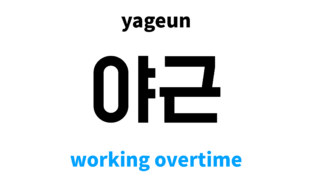
working overtime in Korean: 야근’s meaning and pronunciation

working overtime in Korean is 야근. For examples, you can use like [야근이 계속되다, 야근이 끝나다]. In this post you will learn how to pronounce and use working overtime in Korean along with examples.
Intermediate Words

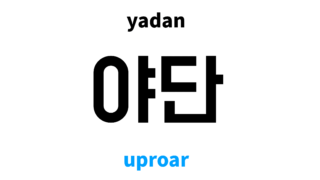
uproar in Korean: 야단’s meaning and pronunciation

uproar in Korean is 야단. For examples, you can use like [야단이 나다, 야단을 떨다]. In this post you will learn how to pronounce and use uproar in Korean along with examples.
Copied title and URL