mylingo

Intermediate Words

ownership in Korean: 소유’s meaning and pronunciation

ownership in Korean is 소유. For examples, you can use like [개인 소유, 국가 소유]. In this post you will learn how to pronounce and use ownership in Korean along with examples.
Intermediate Words

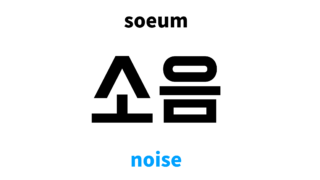
noise in Korean: 소음’s meaning and pronunciation

noise in Korean is 소음. For examples, you can use like [공사장 소음, 공장 소음]. In this post you will learn how to pronounce and use noise in Korean along with examples.
Intermediate Words

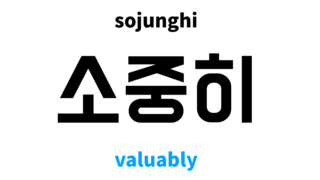
valuably in Korean: 소중히’s meaning and pronunciation

valuably in Korean is 소중히. For examples, you can use like [소중히 간직하다, 소중히 다루다]. In this post you will learn how to pronounce and use valuably in Korean along with examples.
Intermediate Words

possessions in Korean: 소지품’s meaning and pronunciation

possessions in Korean is 소지품. For examples, you can use like [소지품 검사, 소지품을 맡기다]. In this post you will learn how to pronounce and use possessions in Korean along with examples.
Intermediate Words

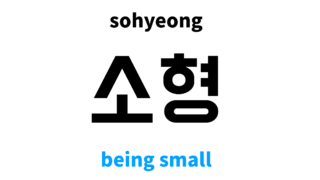
being small in Korean: 소형’s meaning and pronunciation

being small in Korean is 소형. For examples, you can use like [소형 가방, 소형 라디오]. In this post you will learn how to pronounce and use being small in Korean along with examples.
Intermediate Words

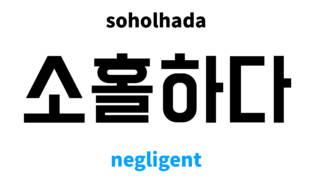
negligent in Korean: 소홀하다’s meaning and pronunciation

negligent in Korean is 소홀하다. For examples, you can use like [소홀하게 다루다, 소홀하게 대접하다]. In this post you will learn how to pronounce and use negligent in Korean along with examples.
Intermediate Words

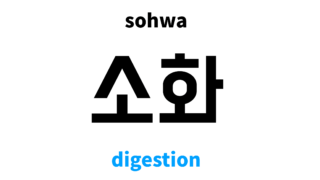
digestion in Korean: 소화’s meaning and pronunciation

digestion in Korean is 소화. For examples, you can use like [소화 불량, 소화 장애]. In this post you will learn how to pronounce and use digestion in Korean along with examples.
Intermediate Words

eyelashes in Korean: 속눈썹’s meaning and pronunciation

eyelashes in Korean is 속눈썹. For examples, you can use like [가짜 속눈썹, 인조 속눈썹]. In this post you will learn how to pronounce and use eyelashes in Korean along with examples.
Intermediate Words

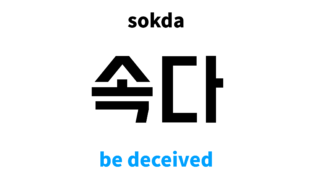
be deceived in Korean: 속다’s meaning and pronunciation

be deceived in Korean is 속다. For examples, you can use like [감언이설에 속다, 거짓말에 속다]. In this post you will learn how to pronounce and use be deceived in Korean along with examples.
Intermediate Words

adage in Korean: 속담’s meaning and pronunciation

adage in Korean is 속담. For examples, you can use like [속담 사전, 속담 풀이]. In this post you will learn how to pronounce and use adage in Korean along with examples.
Copied title and URL