mylingo

Intermediate Words

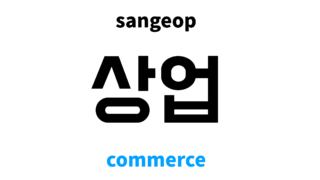
commerce in Korean: 상업’s meaning and pronunciation

commerce in Korean is 상업. For examples, you can use like [상업 시설, 상업 지역]. In this post you will learn how to pronounce and use commerce in Korean along with examples.
Intermediate Words
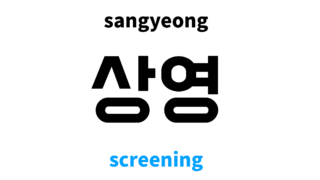
screening in Korean: 상영’s meaning and pronunciation

screening in Korean is 상영. For examples, you can use like [동시 상영, 영화 상영]. In this post you will learn how to pronounce and use screening in Korean along with examples.
Intermediate Words

store in Korean: 상점’s meaning and pronunciation

store in Korean is 상점. For examples, you can use like [상점의 주인, 상점을 운영하다]. In this post you will learn how to pronounce and use store in Korean along with examples.
Intermediate Words

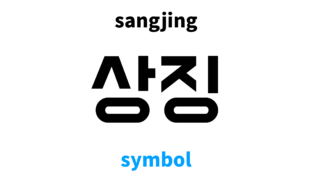
symbol in Korean: 상징’s meaning and pronunciation

symbol in Korean is 상징. For examples, you can use like [상징이 되다, 상징을 하다]. In this post you will learn how to pronounce and use symbol in Korean along with examples.
Intermediate Words

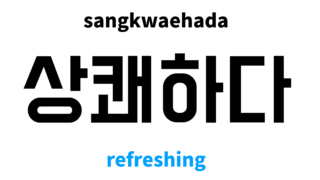
refreshing in Korean: 상쾌하다’s meaning and pronunciation

refreshing in Korean is 상쾌하다. For examples, you can use like [상쾌한 공기, 상쾌한 느낌]. In this post you will learn how to pronounce and use refreshing in Korean along with examples.
Intermediate Words

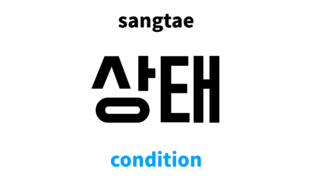
condition in Korean: 상태’s meaning and pronunciation

condition in Korean is 상태. For examples, you can use like [건강 상태, 정신 상태]. In this post you will learn how to pronounce and use condition in Korean along with examples.
Intermediate Words

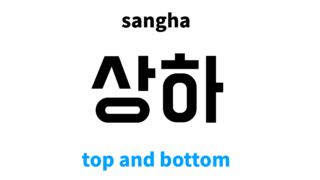
top and bottom in Korean: 상하’s meaning and pronunciation

top and bottom in Korean is 상하. For examples, you can use like [상하 교체, 상하 이동]. In this post you will learn how to pronounce and use top and bottom in Korean along with examples.
Intermediate Words

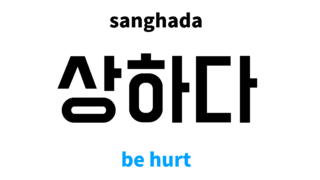
be hurt in Korean: 상하다’s meaning and pronunciation

be hurt in Korean is 상하다. For examples, you can use like [눈이 상하다, 다리가 상하다]. In this post you will learn how to pronounce and use be hurt in Korean along with examples.
Intermediate Words

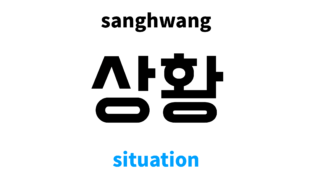
situation in Korean: 상황’s meaning and pronunciation

situation in Korean is 상황. For examples, you can use like [긴급 상황, 주변 상황]. In this post you will learn how to pronounce and use situation in Korean along with examples.
Intermediate Words

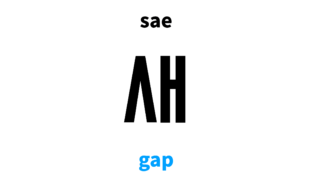
gap in Korean: 새’s meaning and pronunciation

gap in Korean is 새. For examples, you can use like [새가 넓다, 새가 벌어지다]. In this post you will learn how to pronounce and use gap in Korean along with examples.
Copied title and URL