mylingo

Intermediate Words

naturally in Korean: 마땅히’s meaning and pronunciation

naturally in Korean is 마땅히. For examples, you can use like [마땅히 지켜야 될 것, 마땅히 해야 할 일]. In this post you will learn how to pronounce and use naturally in Korean along with examples.

Intermediate Words

marathon in Korean: 마라톤’s meaning and pronunciation

marathon in Korean is 마라톤. For examples, you can use like [마라톤 경기, 마라톤 선수]. In this post you will learn how to pronounce and use marathon in Korean along with examples.
Intermediate Words

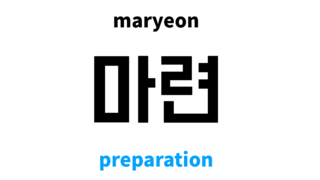
preparation in Korean: 마련’s meaning and pronunciation

preparation in Korean is 마련. For examples, you can use like [기금 마련, 돈 마련]. In this post you will learn how to pronounce and use preparation in Korean along with examples.
Intermediate Words

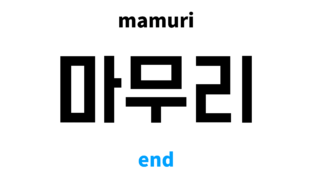
end in Korean: 마무리’s meaning and pronunciation

end in Korean is 마무리. For examples, you can use like [마무리 작업, 마무리 훈련]. In this post you will learn how to pronounce and use end in Korean along with examples.
Intermediate Words

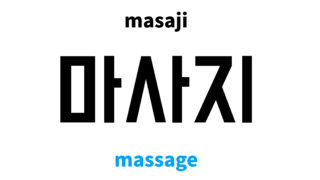
massage in Korean: 마사지’s meaning and pronunciation

massage in Korean is 마사지. For examples, you can use like [발 마사지, 스포츠 마사지]. In this post you will learn how to pronounce and use massage in Korean along with examples.
Intermediate Words

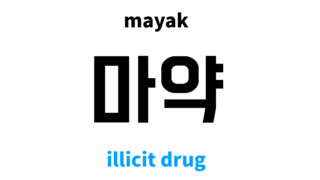
illicit drug in Korean: 마약’s meaning and pronunciation

illicit drug in Korean is 마약. For examples, you can use like [마약 밀수, 마약 중독]. In this post you will learn how to pronounce and use illicit drug in Korean along with examples.
Intermediate Words

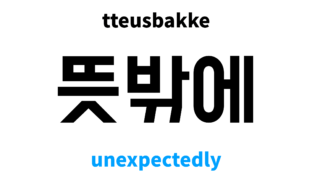
unexpectedly in Korean: 뜻밖에’s meaning and pronunciation

unexpectedly in Korean is 뜻밖에. For examples, you can use like [뜻밖에 나타나다, 뜻밖에 마주치다]. In this post you will learn how to pronounce and use unexpectedly in Korean along with examples.

Intermediate Words

be seen in Korean: 띄다’s meaning and pronunciation

be seen in Korean is 띄다. For examples, you can use like [배려가 눈에 띄다, 변화가 눈에 띄다]. In this post you will learn how to pronounce and use be seen in Korean along with examples.
Intermediate Words

belt in Korean: 띠’s meaning and pronunciation

belt in Korean is 띠. For examples, you can use like [흰 띠, 띠를 두르다]. In this post you will learn how to pronounce and use belt in Korean along with examples.
Intermediate Words

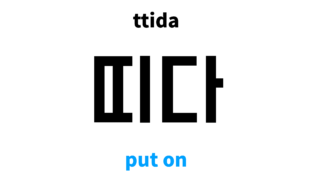
put on in Korean: 띠다’s meaning and pronunciation

put on in Korean is 띠다. For examples, you can use like [끈을 띠다, 허리띠를 띠다]. In this post you will learn how to pronounce and use put on in Korean along with examples.
Copied title and URL