mylingo

Intermediate Words

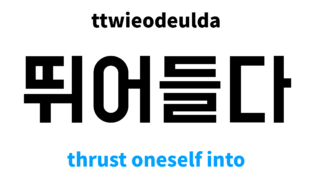
thrust oneself into in Korean: 뛰어들다’s meaning and pronunciation

thrust oneself into in Korean is 뛰어들다. For examples, you can use like [교실로 뛰어들다, 방 안으로 뛰어들다]. In this post you will learn how to pronounce and use thrust oneself into in Korean along with examples.

Intermediate Words

float in Korean: 뜨다’s meaning and pronunciation

float in Korean is 뜨다. For examples, you can use like [하늘에 떠 있다, 해가 뜨다]. In this post you will learn how to pronounce and use float in Korean along with examples.
Intermediate Words

remove in Korean: 뜯다’s meaning and pronunciation

remove in Korean is 뜯다. For examples, you can use like [껍질을 뜯다, 마개를 뜯다]. In this post you will learn how to pronounce and use remove in Korean along with examples.
Intermediate Words

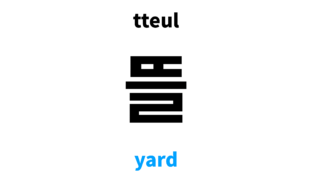
yard in Korean: 뜰’s meaning and pronunciation

yard in Korean is 뜰. For examples, you can use like [빈 뜰, 작은 뜰]. In this post you will learn how to pronounce and use yard in Korean along with examples.
Intermediate Words

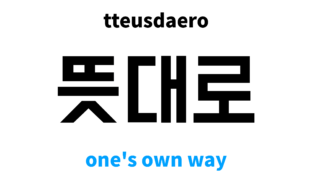
one’s own way in Korean: 뜻대로’s meaning and pronunciation

one's own way in Korean is 뜻대로. For examples, you can use like [뜻대로 다니다, 뜻대로 되다]. In this post you will learn how to pronounce and use one's own way in Korean along with examples.
Intermediate Words

being unexpected in Korean: 뜻밖’s meaning and pronunciation

being unexpected in Korean is 뜻밖. For examples, you can use like [뜻밖의 말, 뜻밖의 비밀]. In this post you will learn how to pronounce and use being unexpected in Korean along with examples.
Intermediate Words

unexpectedly in Korean: 뜻밖에’s meaning and pronunciation

unexpectedly in Korean is 뜻밖에. For examples, you can use like [뜻밖에 나타나다, 뜻밖에 마주치다]. In this post you will learn how to pronounce and use unexpectedly in Korean along with examples.
Intermediate Words

be seen in Korean: 띄다’s meaning and pronunciation

be seen in Korean is 띄다. For examples, you can use like [배려가 눈에 띄다, 변화가 눈에 띄다]. In this post you will learn how to pronounce and use be seen in Korean along with examples.
Intermediate Words

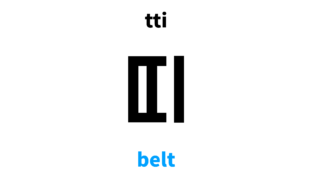
belt in Korean: 띠’s meaning and pronunciation

belt in Korean is 띠. For examples, you can use like [흰 띠, 띠를 두르다]. In this post you will learn how to pronounce and use belt in Korean along with examples.
Intermediate Words

put on in Korean: 띠다’s meaning and pronunciation

put on in Korean is 띠다. For examples, you can use like [끈을 띠다, 허리띠를 띠다]. In this post you will learn how to pronounce and use put on in Korean along with examples.
Copied title and URL