mylingo

Intermediate Words

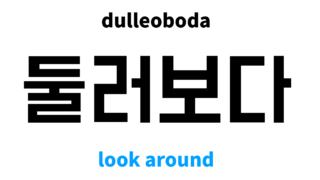
look around in Korean: 둘러보다’s meaning and pronunciation

look around in Korean is 둘러보다. For examples, you can use like [공장을 둘러보다, 미술관을 둘러보다]. In this post you will learn how to pronounce and use look around in Korean along with examples.

Intermediate Words

wrap in Korean: 둘러싸다’s meaning and pronunciation

wrap in Korean is 둘러싸다. For examples, you can use like [김장독을 비닐로 둘러싸다, 유리병을 솜으로 둘러싸다]. In this post you will learn how to pronounce and use wrap in Korean along with examples.
Intermediate Words

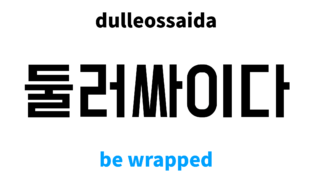
be wrapped in Korean: 둘러싸이다’s meaning and pronunciation

be wrapped in Korean is 둘러싸이다. For examples, you can use like [비닐로 둘러싸이다, 헝겊으로 둘러싸이다]. In this post you will learn how to pronounce and use be wrapped in Korean along with examples.
Intermediate Words

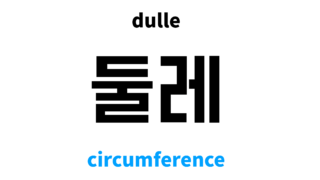
circumference in Korean: 둘레’s meaning and pronunciation

circumference in Korean is 둘레. For examples, you can use like [운동장 둘레, 접시 둘레]. In this post you will learn how to pronounce and use circumference in Korean along with examples.
Intermediate Words

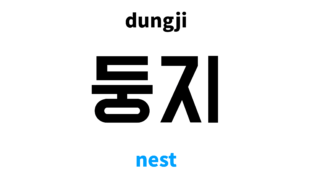
nest in Korean: 둥지’s meaning and pronunciation

nest in Korean is 둥지. For examples, you can use like [뻐꾸기 둥지, 참새 둥지]. In this post you will learn how to pronounce and use nest in Korean along with examples.
Intermediate Words

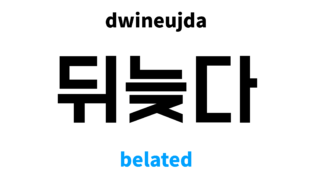
belated in Korean: 뒤늦다’s meaning and pronunciation

belated in Korean is 뒤늦다. For examples, you can use like [뒤늦은 깨달음, 뒤늦은 후회]. In this post you will learn how to pronounce and use belated in Korean along with examples.
Intermediate Words

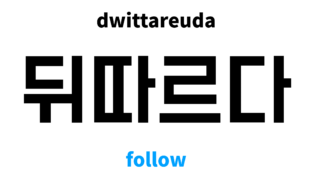
follow in Korean: 뒤따르다’s meaning and pronunciation

follow in Korean is 뒤따르다. For examples, you can use like [뒤따라 걷다, 뒤따라 나가다]. In this post you will learn how to pronounce and use follow in Korean along with examples.
Intermediate Words

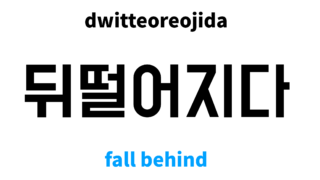
fall behind in Korean: 뒤떨어지다’s meaning and pronunciation

fall behind in Korean is 뒤떨어지다. For examples, you can use like [뒤떨어져 걷다, 앞사람에게서 뒤떨어지다]. In this post you will learn how to pronounce and use fall behind in Korean along with examples.
Intermediate Words

turn inside out in Korean: 뒤집다’s meaning and pronunciation

turn inside out in Korean is 뒤집다. For examples, you can use like [가방을 뒤집다, 바지를 뒤집다]. In this post you will learn how to pronounce and use turn inside out in Korean along with examples.

Intermediate Words

back side in Korean: 뒤편’s meaning and pronunciation

back side in Korean is 뒤편. For examples, you can use like [건물 뒤편, 무대 뒤편]. In this post you will learn how to pronounce and use back side in Korean along with examples.
Copied title and URL