mylingo

Advance ㅎ

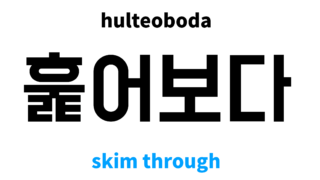
skim through in Korean: 훑어보다’s meaning and pronunciation

skim through in Korean is 훑어보다. For examples, you can use like [훑어본 글, 신문을 훑어보다]. In this post you will learn how to pronounce and use skim through in Korean along with examples.
Advance ㅎ

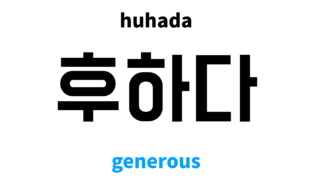
generous in Korean: 후하다’s meaning and pronunciation

generous in Korean is 후하다. For examples, you can use like [후하게 대접하다, 후하게 주다]. In this post you will learn how to pronounce and use generous in Korean along with examples.

Advance ㅎ

withdrawal in Korean: 후퇴’s meaning and pronunciation

withdrawal in Korean is 후퇴. For examples, you can use like [작전상 후퇴, 전략적 후퇴]. In this post you will learn how to pronounce and use withdrawal in Korean along with examples.
Advance ㅎ

go backward in Korean: 후진’s meaning and pronunciation

go backward in Korean is 후진. For examples, you can use like [후진 국가, 후진 민족]. In this post you will learn how to pronounce and use go backward in Korean along with examples.
Advance ㅎ

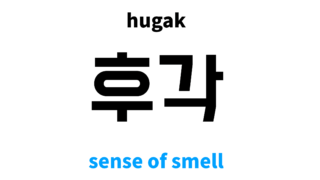
sense of smell in Korean: 후각’s meaning and pronunciation

sense of smell in Korean is 후각. For examples, you can use like [동물적 후각, 후각이 발달하다]. In this post you will learn how to pronounce and use sense of smell in Korean along with examples.
Advance ㅎ

second half in Korean: 후반부’s meaning and pronunciation

second half in Korean is 후반부. For examples, you can use like [경기 후반부, 공연의 후반부]. In this post you will learn how to pronounce and use second half in Korean along with examples.
Advance ㅎ

future in Korean: 후일’s meaning and pronunciation

future in Korean is 후일. For examples, you can use like [후일을 기다리다, 후일을 기약하다]. In this post you will learn how to pronounce and use future in Korean along with examples.
Advance ㅎ

aftereffect in Korean: 후유증’s meaning and pronunciation

aftereffect in Korean is 후유증. For examples, you can use like [후유증이 나타나다, 후유증이 없다]. In this post you will learn how to pronounce and use aftereffect in Korean along with examples.
Advance ㅎ

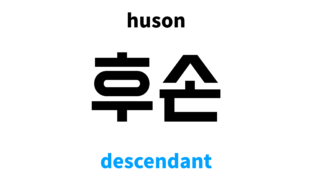
descendant in Korean: 후손’s meaning and pronunciation

descendant in Korean is 후손. For examples, you can use like [독립운동가의 후손, 장군의 후손]. In this post you will learn how to pronounce and use descendant in Korean along with examples.
Advance ㅎ

succession in Korean: 후임’s meaning and pronunciation

succession in Korean is 후임. For examples, you can use like [후임 감독, 후임을 뽑다]. In this post you will learn how to pronounce and use succession in Korean along with examples.
Copied title and URL