mylingo

Intermediate Words

homeroom teacher in Korean: 담임’s meaning and pronunciation

homeroom teacher in Korean is 담임. For examples, you can use like [담임 교사, 담임 선생님]. In this post you will learn how to pronounce and use homeroom teacher in Korean along with examples.
Intermediate Words

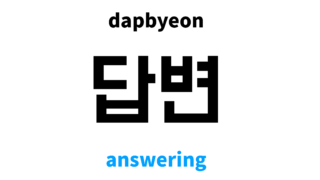
answering in Korean: 답변’s meaning and pronunciation

answering in Korean is 답변. For examples, you can use like [공식적인 답변, 구체적인 답변]. In this post you will learn how to pronounce and use answering in Korean along with examples.

Intermediate Words

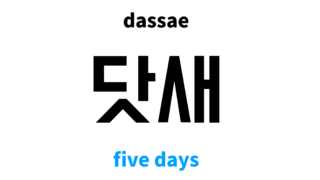
five days in Korean: 닷새’s meaning and pronunciation

five days in Korean is 닷새. For examples, you can use like [닷새 동안, 닷새 뒤]. In this post you will learn how to pronounce and use five days in Korean along with examples.
Intermediate Words

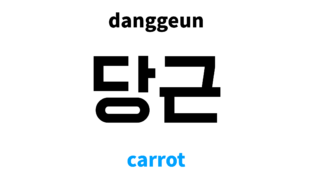
carrot in Korean: 당근’s meaning and pronunciation

carrot in Korean is 당근. For examples, you can use like [당근 주스, 당근의 효능]. In this post you will learn how to pronounce and use carrot in Korean along with examples.
Intermediate Words

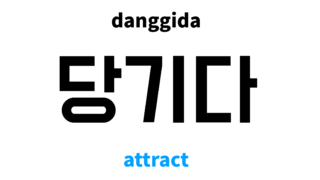
attract in Korean: 당기다’s meaning and pronunciation

attract in Korean is 당기다. For examples, you can use like [당기는 마음, 당기는 여자]. In this post you will learn how to pronounce and use attract in Korean along with examples.
Intermediate Words

confident in Korean: 당당하다’s meaning and pronunciation

confident in Korean is 당당하다. For examples, you can use like [당당한 태도, 당당한 자세]. In this post you will learn how to pronounce and use confident in Korean along with examples.
Intermediate Words

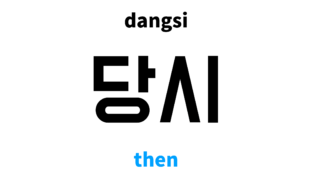
then in Korean: 당시’s meaning and pronunciation

then in Korean is 당시. For examples, you can use like [그 당시, 그때 당시]. In this post you will learn how to pronounce and use then in Korean along with examples.
Intermediate Words

natural in Korean: 당연하다’s meaning and pronunciation

natural in Korean is 당연하다. For examples, you can use like [당연한 결과, 당연한 이야기]. In this post you will learn how to pronounce and use natural in Korean along with examples.
Intermediate Words

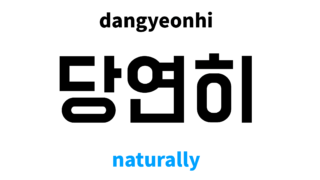
naturally in Korean: 당연히’s meaning and pronunciation

naturally in Korean is 당연히. For examples, you can use like [당연히 가능하다, 당연히 그렇다]. In this post you will learn how to pronounce and use naturally in Korean along with examples.
Intermediate Words

that day in Korean: 당일’s meaning and pronunciation

that day in Korean is 당일. For examples, you can use like [결혼식 당일, 사건 당일]. In this post you will learn how to pronounce and use that day in Korean along with examples.
Copied title and URL