mylingo

Intermediate Words

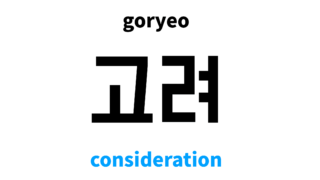
consideration in Korean: 고려’s meaning and pronunciation

consideration in Korean is 고려. For examples, you can use like [고려 대상, 고려 사항]. In this post you will learn how to pronounce and use consideration in Korean along with examples.

Intermediate Words

appreciate in Korean: 고마워하다’s meaning and pronunciation

appreciate in Korean is 고마워하다. For examples, you can use like [배려를 고마워하다, 선물을 고마워하다]. In this post you will learn how to pronounce and use appreciate in Korean along with examples.
Intermediate Words

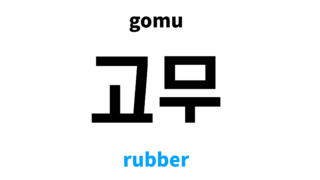
rubber in Korean: 고무’s meaning and pronunciation

rubber in Korean is 고무. For examples, you can use like [고무 공업, 고무 공장]. In this post you will learn how to pronounce and use rubber in Korean along with examples.
Intermediate Words

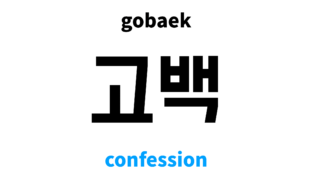
confession in Korean: 고백’s meaning and pronunciation

confession in Korean is 고백. For examples, you can use like [사랑 고백, 심경 고백]. In this post you will learn how to pronounce and use confession in Korean along with examples.
Intermediate Words

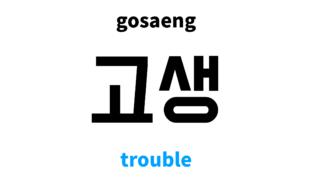
trouble in Korean: 고생’s meaning and pronunciation

trouble in Korean is 고생. For examples, you can use like [갖은 고생, 고생이 되다]. In this post you will learn how to pronounce and use trouble in Korean along with examples.
Intermediate Words

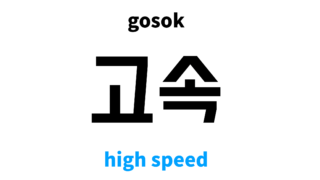
high speed in Korean: 고속’s meaning and pronunciation

high speed in Korean is 고속. For examples, you can use like [고속 비행기, 고속 승진]. In this post you will learn how to pronounce and use high speed in Korean along with examples.
Intermediate Words

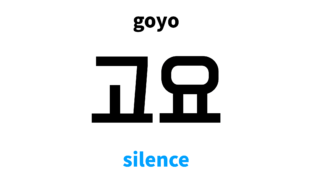
silence in Korean: 고요’s meaning and pronunciation

silence in Korean is 고요. For examples, you can use like [마음속의 고요, 고요가 머물다]. In this post you will learn how to pronounce and use silence in Korean along with examples.
Intermediate Words

uniqueness in Korean: 고유’s meaning and pronunciation

uniqueness in Korean is 고유. For examples, you can use like [고유의 멋, 고유의 문화]. In this post you will learn how to pronounce and use uniqueness in Korean along with examples.
Intermediate Words

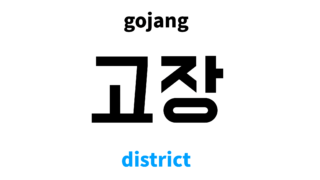
district in Korean: 고장’s meaning and pronunciation

district in Korean is 고장. For examples, you can use like [그 고장, 낯선 고장]. In this post you will learn how to pronounce and use district in Korean along with examples.
Intermediate Words

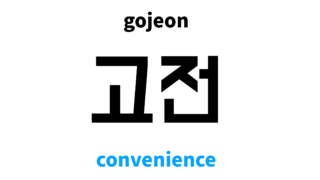
convenience in Korean: 고전’s meaning and pronunciation

convenience in Korean is 고전. For examples, you can use like [고전 경제학, 고전 문헌]. In this post you will learn how to pronounce and use convenience in Korean along with examples.
Copied title and URL